
Ischemic Stroke Treatment
Treatment of ischemic stroke using modern interventional radiology techniques.
Ischemic stroke treatment is a specialized procedure that uses advanced catheterization techniques to treat blocked blood vessels in the brain. The procedure involves inserting a catheter through a small incision and guiding it to the affected area to remove the blockage and restore blood flow.
Ischemic stroke occurs when a blood vessel supplying the brain becomes blocked, usually by a blood clot. This can lead to reduced blood flow and oxygen to the brain, causing brain tissue damage. Prompt treatment is crucial to prevent permanent damage or death.
The treatment is performed under general anesthesia and involves either mechanical thrombectomy (removing the clot) or a combination of thrombectomy and other treatments. This minimally invasive approach reduces the risk of complications and shortens recovery time.
Diagnosis is made through imaging tests such as CT scan or MRI. The treatment approach is tailored to each patient based on the location and severity of the blockage.
Understanding Ischemic Stroke Treatment
This video explains the ischemic stroke treatment procedure, what to expect, and how it helps restore blood flow to the brain.
Benefits
- Minimally invasive procedure without open brain surgery
- Reduced risk of complications
- Shorter recovery time compared to traditional surgery
- Can be performed quickly in emergency situations
- High success rate in restoring blood flow
- Preserves surrounding brain tissue
Frequently Asked Questions
What is an ischemic stroke?
An ischemic stroke occurs when a blood vessel supplying the brain becomes blocked, usually by a blood clot. This leads to reduced blood flow and oxygen to the brain, causing brain tissue damage.
What are the symptoms of an ischemic stroke?
Symptoms may include sudden weakness or numbness on one side of the body, difficulty speaking or understanding speech, vision problems, dizziness, and severe headache. These symptoms require immediate medical attention.
How is an ischemic stroke diagnosed?
Ischemic stroke is typically diagnosed using imaging tests such as CT scan or MRI. These tests help determine the location and extent of the blockage.
What is the treatment procedure like?
The procedure involves inserting a catheter through the groin, guiding it to the blocked blood vessel, and using mechanical thrombectomy or other techniques to remove the clot and restore blood flow.
What is the recovery time after treatment?
Recovery time varies depending on the severity of the stroke and the treatment approach. Most patients require several weeks to months of rehabilitation.
What are the risks of the procedure?
While generally safe, risks may include bleeding, infection, stroke, or damage to surrounding brain tissue. The risks are typically lower than with traditional open surgery.
Can ischemic stroke recur after treatment?
While the treated area is unlikely to be blocked again, new strokes can occur in other areas. Regular follow-up and management of risk factors are important.
How long does the procedure take?
The procedure typically takes 1-3 hours, depending on the complexity of the blockage and the chosen treatment method.
What is the success rate of the treatment?
The success rate varies depending on the severity and location of the stroke, but many patients experience significant improvement with proper treatment and rehabilitation.
How do I prepare for the procedure?
In emergency situations, there may be little time for preparation. For planned procedures, your doctor will provide specific instructions regarding medications, fasting, and pre-procedure tests.
More about Ischemic Stroke Treatment
Other Services
Plot 9109 - Street 9 - Mokattam
13 Mostafa Refat St. - Sheraton Housing
amrmahmoud@med.asu.edu.eg
amr.radiology@gmail.com
01111146796 - 01200402840
2025070778
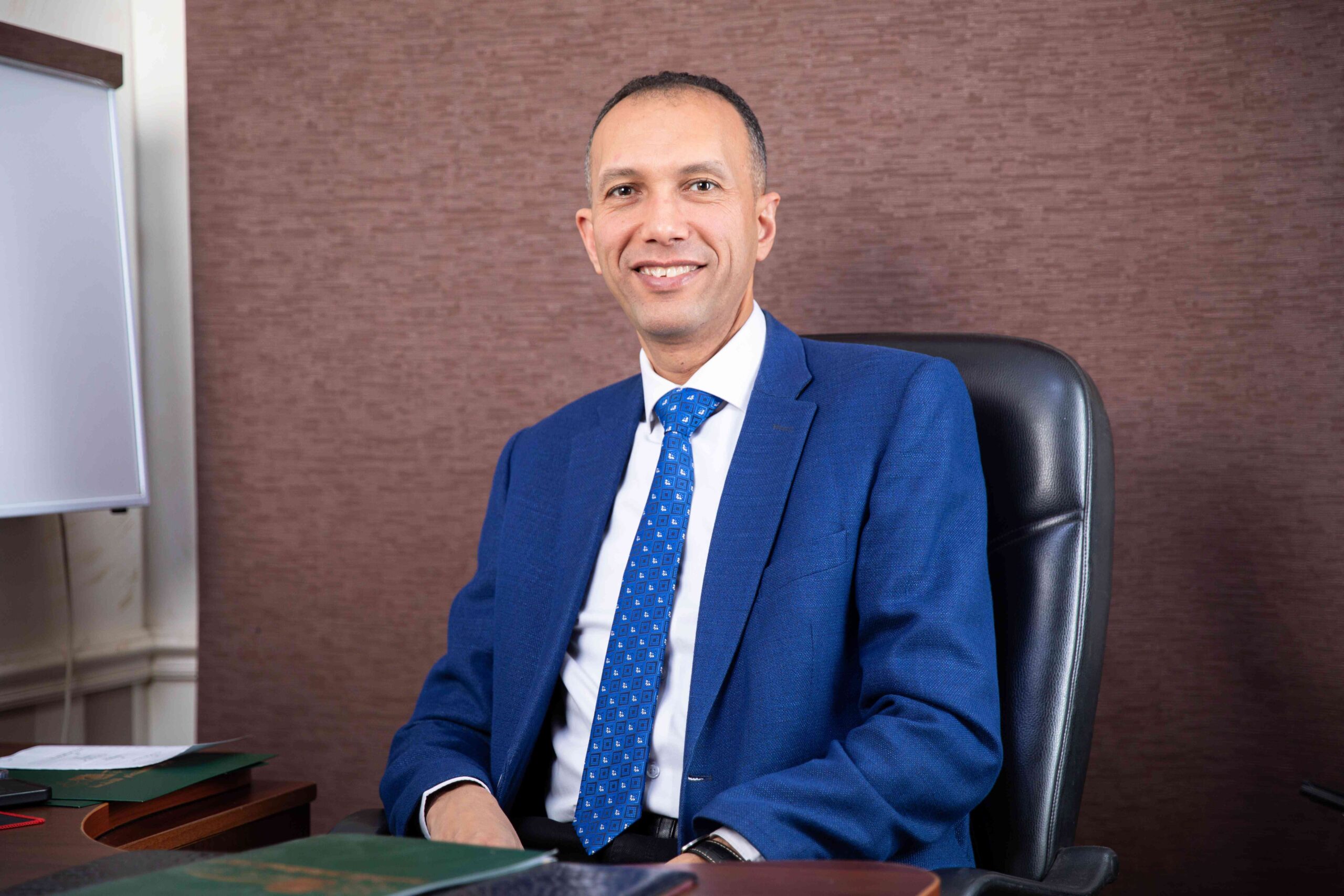
Dr. Amr Mahmoud
- Professor of Interventional Radiology at Ain Shams University
- Fellow at François Rabelais University – France
- Member of the European Society of Interventional Radiology
- Member of the European Society of Interventional Neuroradiology and Neurointervention