
Interventional Radiology
Interventional Radiology (IR) is a medical specialty that uses advanced imaging techniques to guide minimally invasive procedures. Our expert team, led by Dr. Amr Mahmoud, combines cutting-edge technology with extensive experience to provide precise and effective treatments.
These procedures offer numerous advantages over traditional surgery, including smaller incisions, reduced pain, shorter recovery times, and lower risk of complications. We specialize in treating a wide range of conditions affecting various parts of the body, from the brain to the liver and beyond.
Our Services
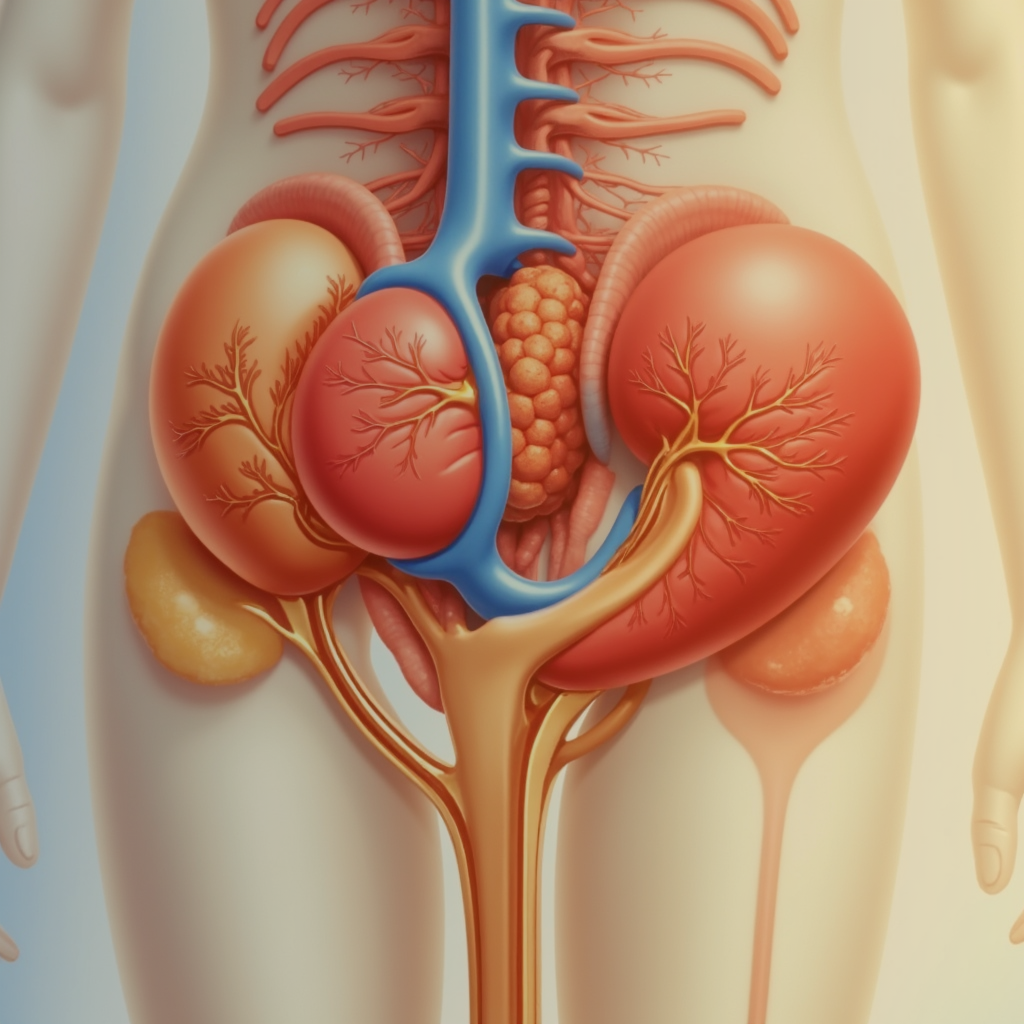
Uterine Fibroid Embolization
Treatment of uterine fibroids by blocking their feeding arteries through catheterization.
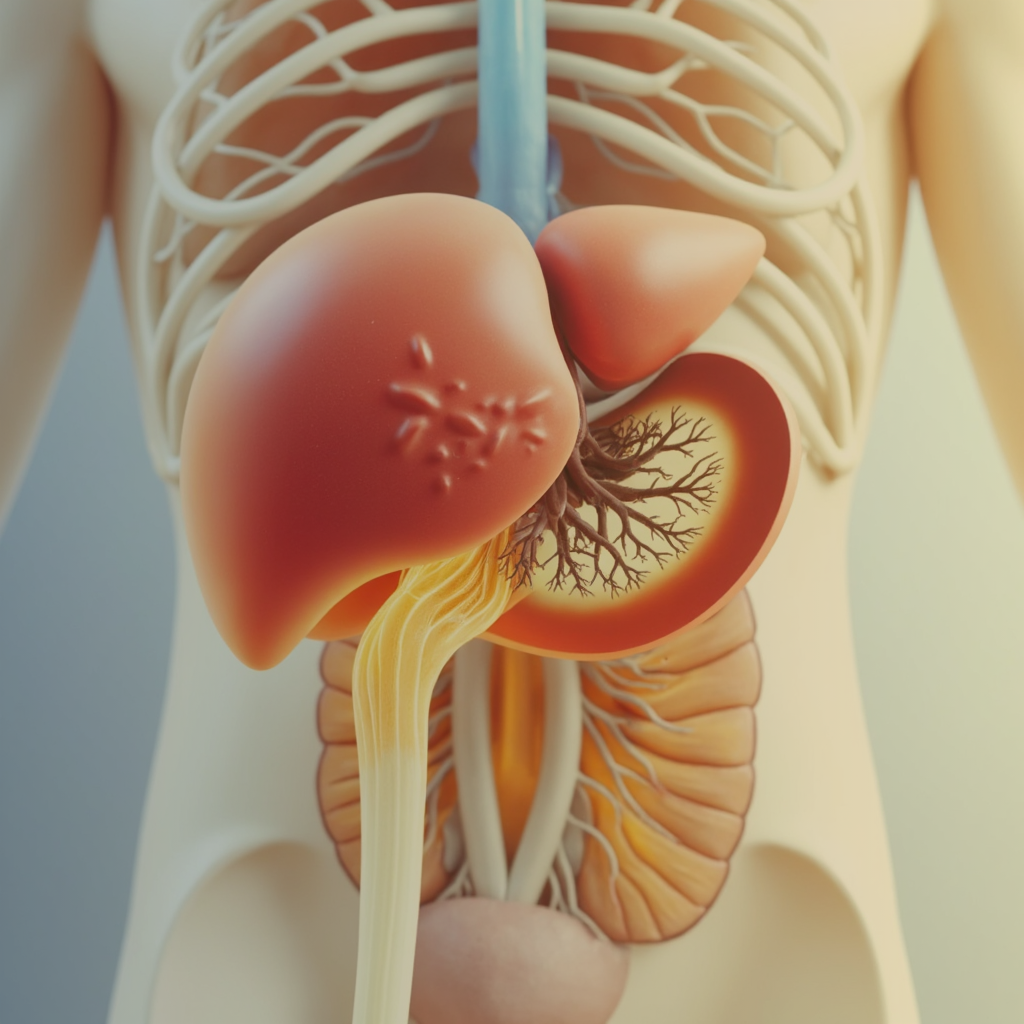
Liver Cancer Treatment
Treatment of malignant liver tumors using interventional methods such as injection or embolization.
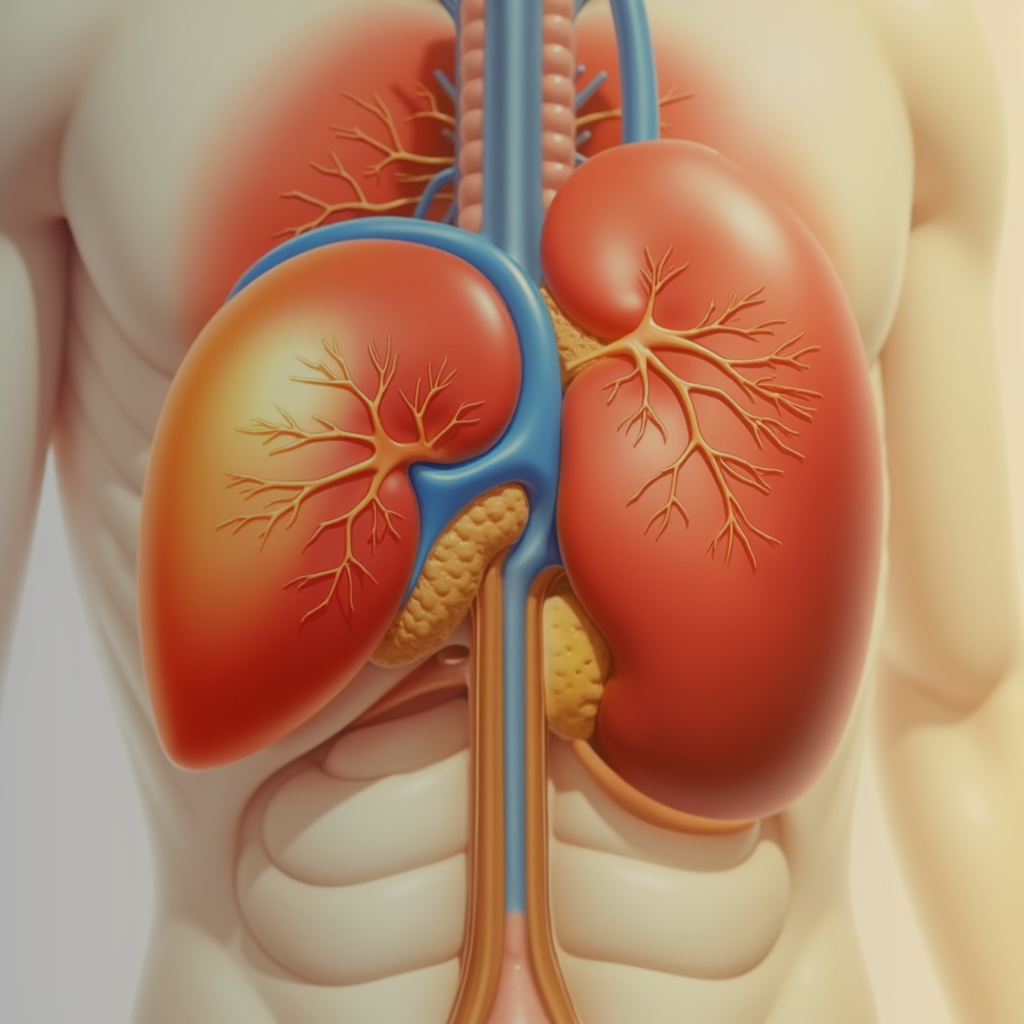
Liver Tumor Radiofrequency Ablation
Treatment of benign or malignant liver tumors using radiofrequency ablation technique.
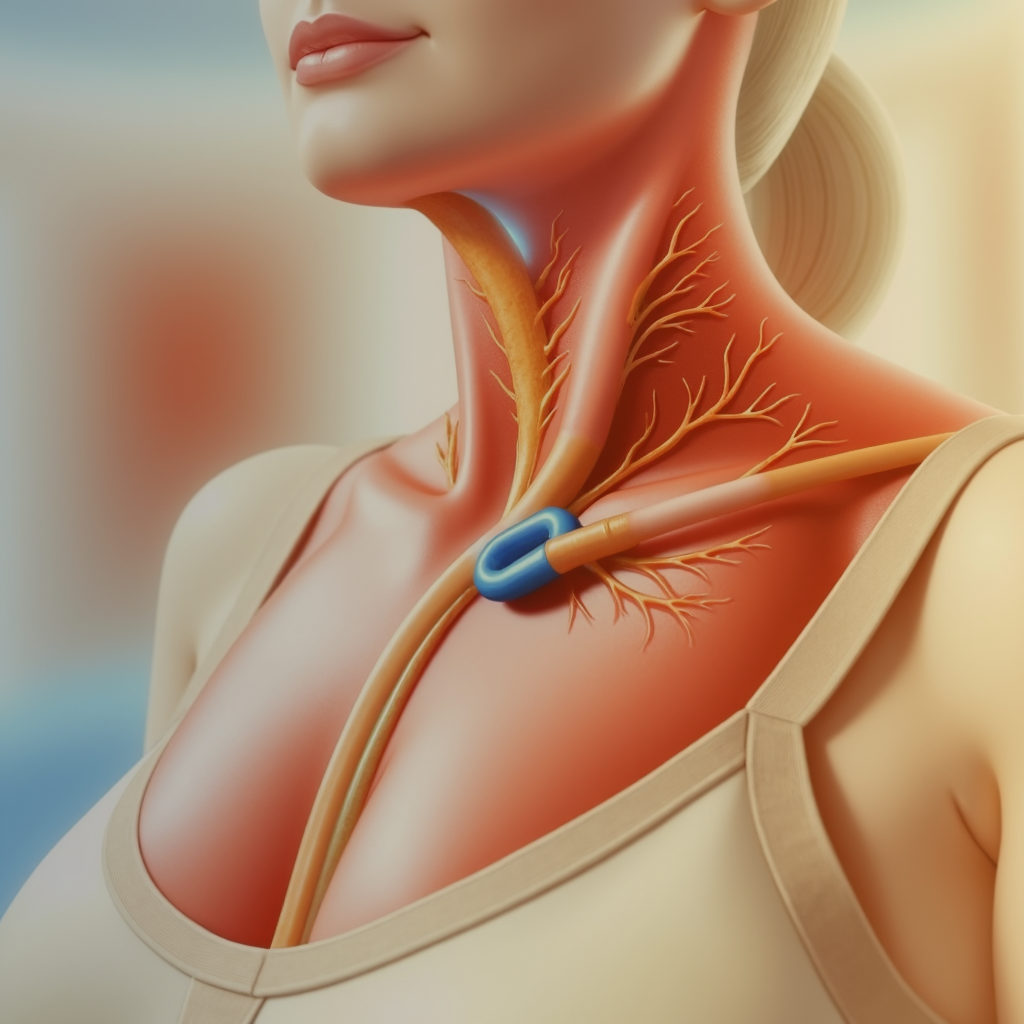
Port-a-Cath Placement for Cancer Patients
Placement of a port-a-cath device to facilitate chemotherapy administration for cancer patients.
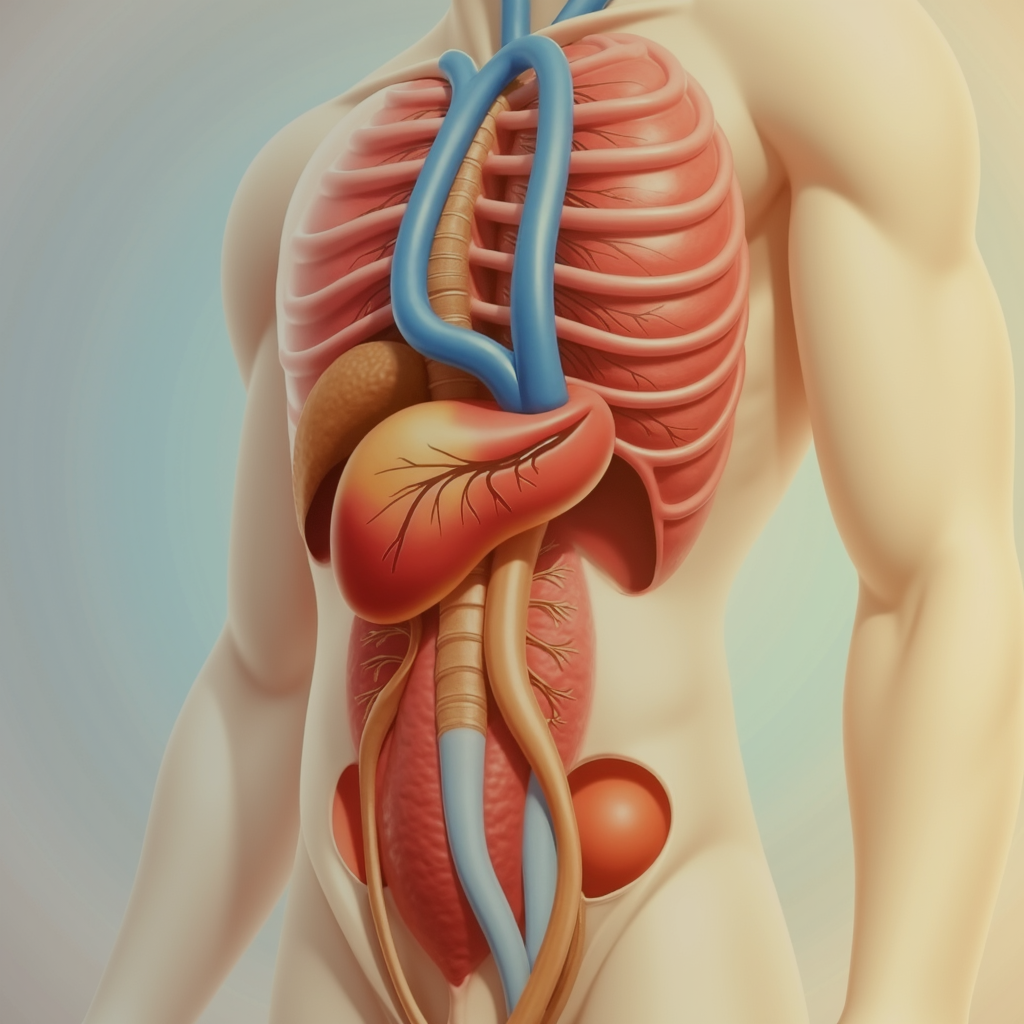
Splenomegaly Treatment
Treatment of enlarged spleen using interventional methods to reduce its size and improve symptoms.
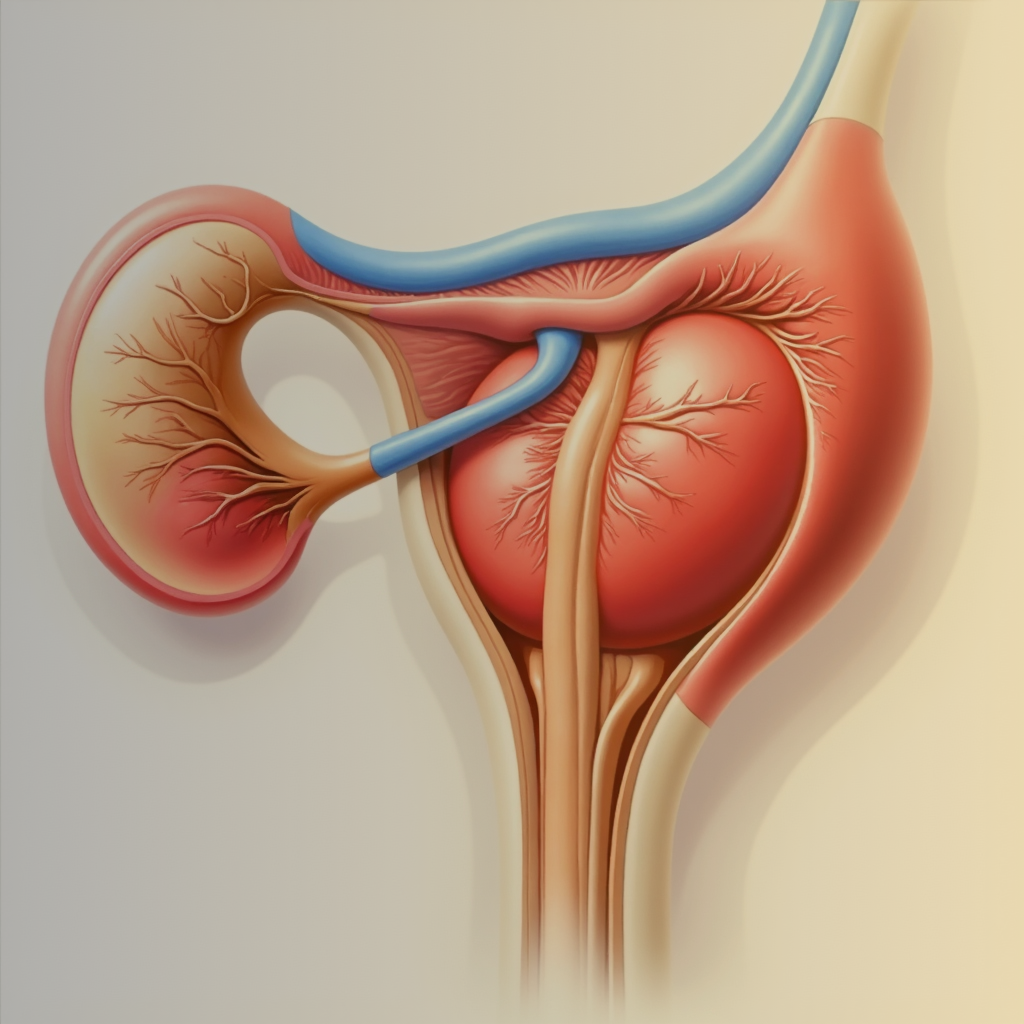
Non-Surgical Varicocele Treatment
Treatment of varicocele through catheterization without the need for traditional surgery.
Permcath Placement for Dialysis Patients
Placement of a permcath device to facilitate dialysis procedures for patients.
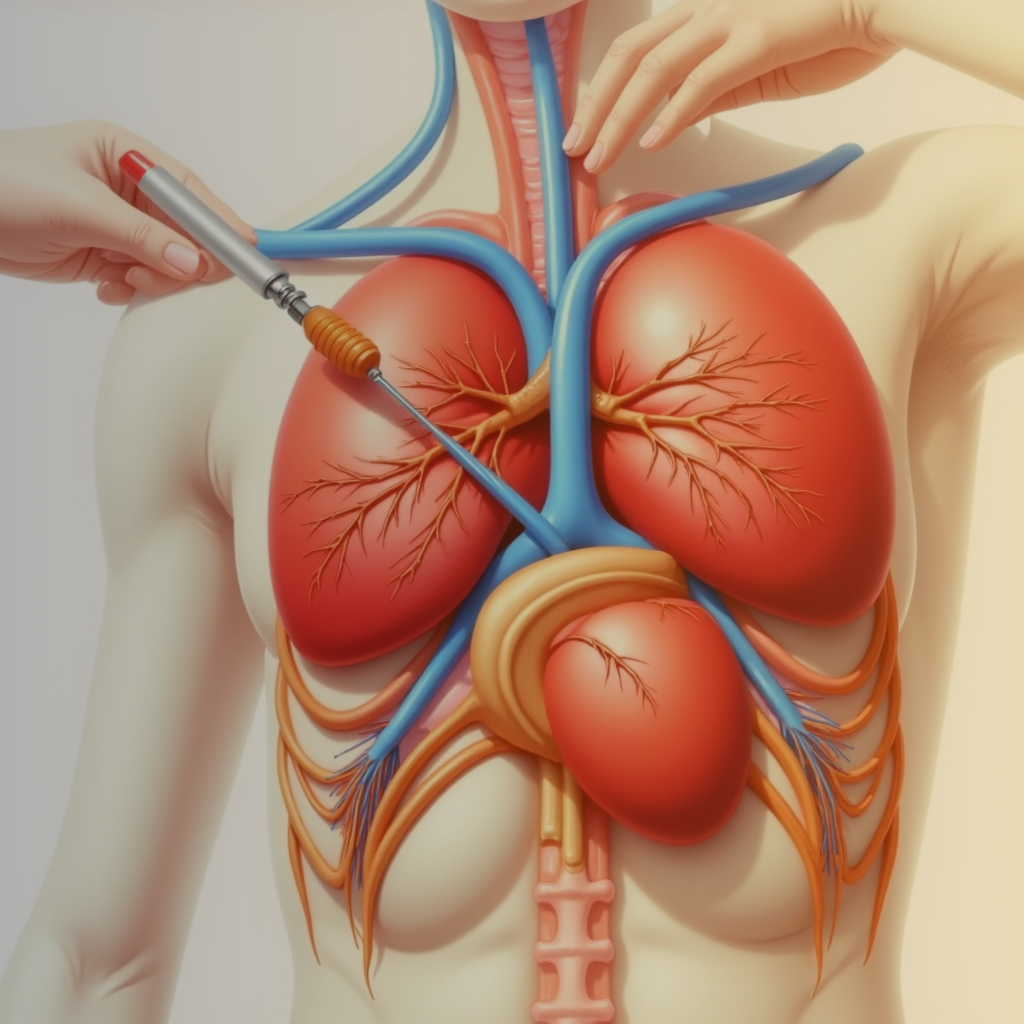
Fluid Collection Drainage and Biopsy
Procedure to drain fluids and obtain samples from collections or masses under radiological guidance.
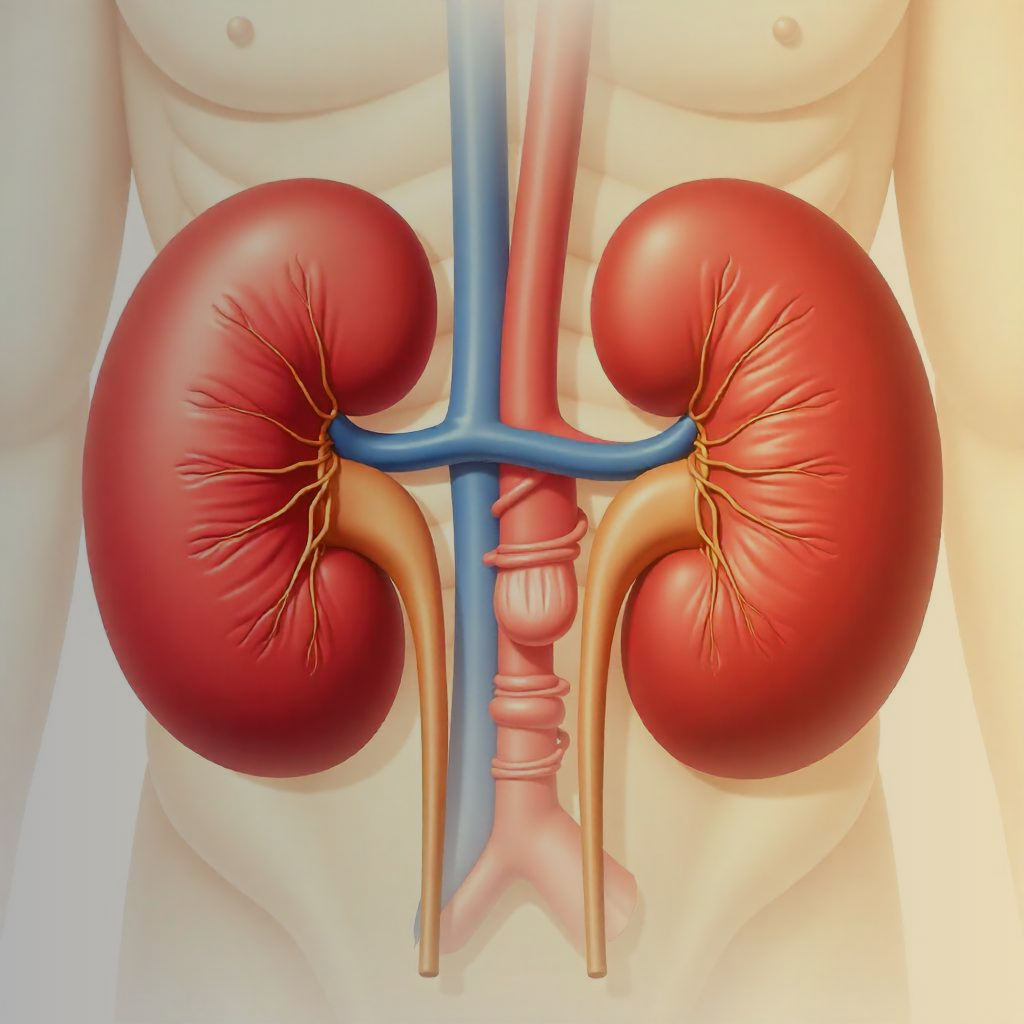
Kidney Drainage Catheters and Ureteral Stents
Placement of catheters for kidney drainage and ureteral stents to treat urinary obstructions.
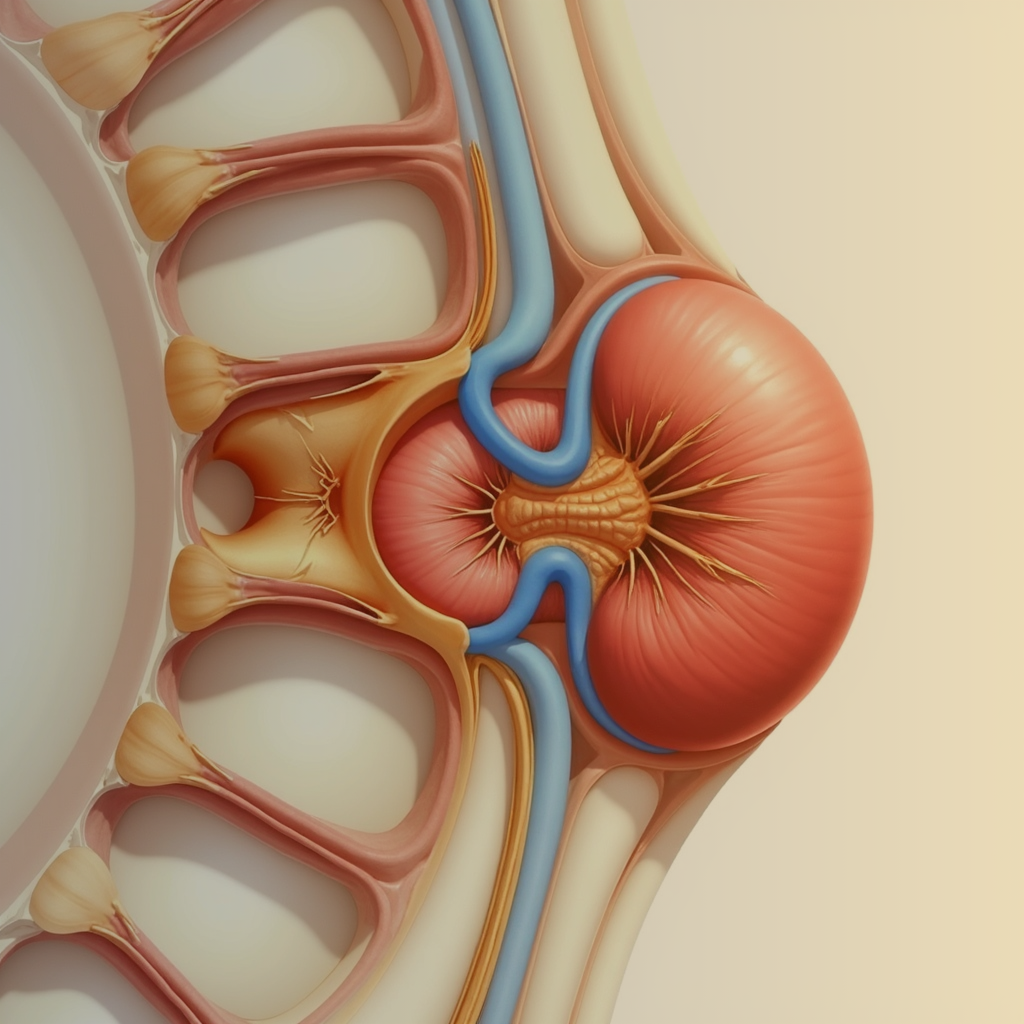
Radiofrequency Ablation for Benign Bone Tumors
Treatment of benign bone tumors using radiofrequency ablation technique.
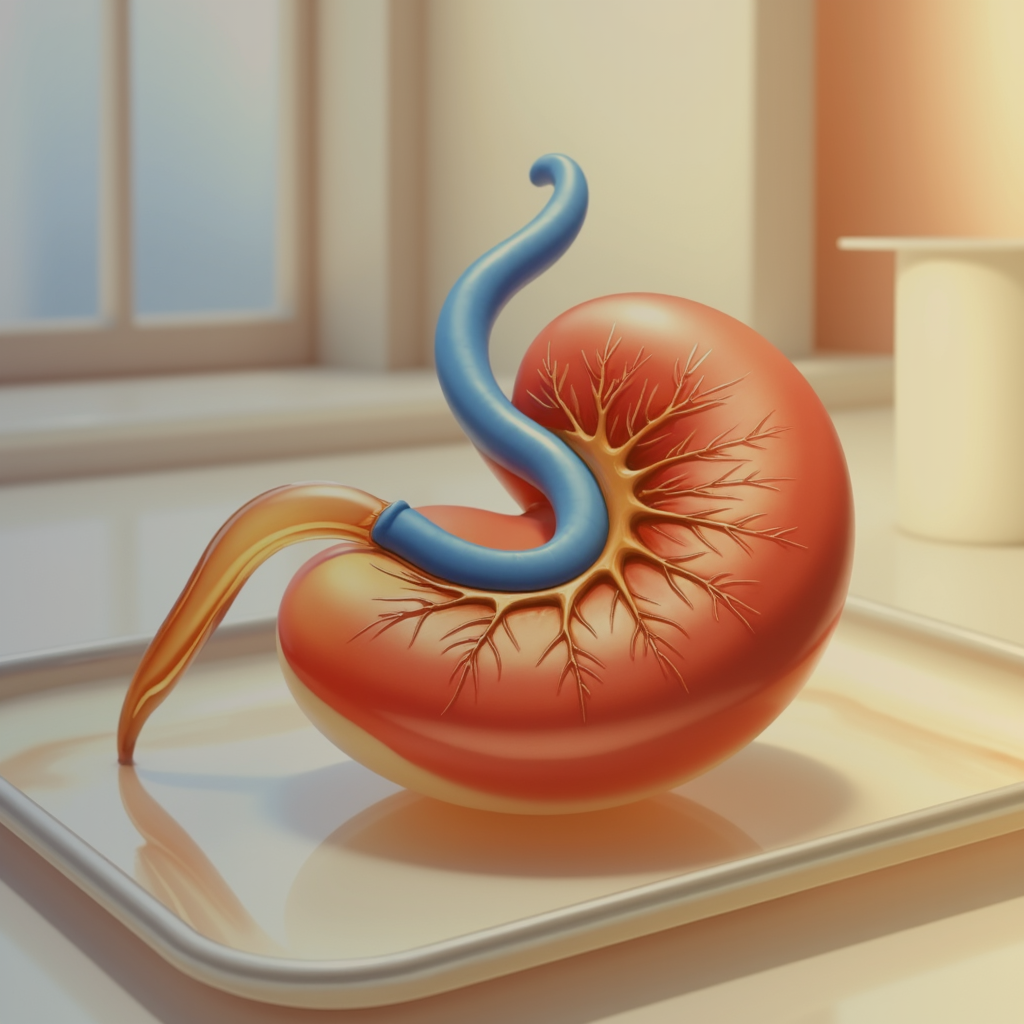
Biliary Drainage
Procedure to drain bile ducts for obstructions or infections in the biliary system.
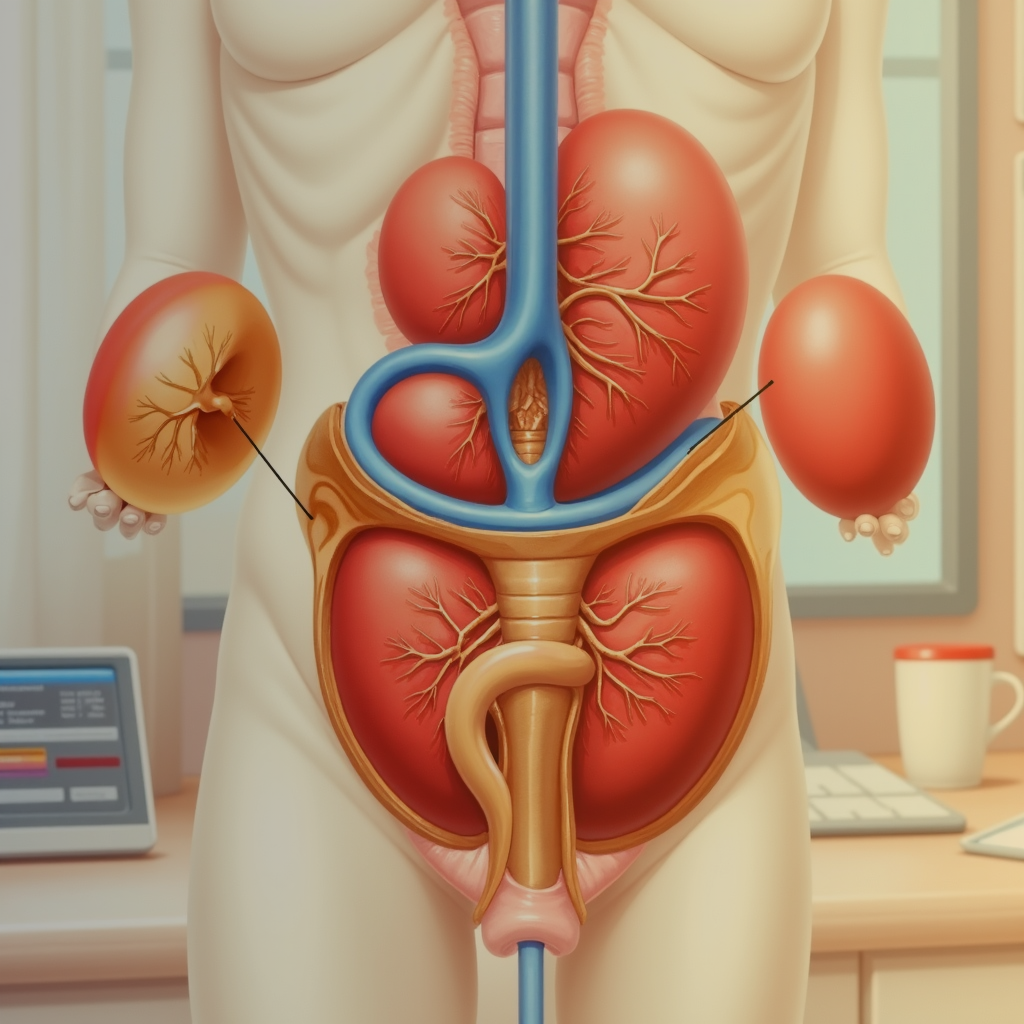
Benign Prostatic Hyperplasia Treatment
Treatment of benign prostatic hyperplasia using interventional radiology to reduce its size and improve urine flow.
Frequently Asked Questions
What is Interventional Radiology?
Interventional Radiology is a medical specialty that uses imaging guidance to perform minimally invasive procedures. It combines the expertise of radiologists with advanced imaging technology to treat various conditions without traditional surgery.
What conditions can be treated with Interventional Radiology?
IR can treat a wide range of conditions including vascular diseases, tumors, aneurysms, and various organ-specific conditions. Our services include treatments for brain conditions, liver diseases, uterine fibroids, and many other conditions.
Is Interventional Radiology safe?
Yes, IR procedures are generally safer than traditional surgery because they are minimally invasive. They involve smaller incisions, less pain, shorter recovery times, and lower risk of complications. However, as with any medical procedure, there are some risks that will be discussed with you before treatment.
What imaging techniques are used in IR?
We use various imaging techniques including X-ray fluoroscopy, ultrasound, CT scans, and MRI to guide our procedures. The choice of imaging depends on the specific procedure and the area being treated.