
Fluid Collection Drainage
Minimally invasive procedure to drain abnormal fluid collections in the body.
Fluid collection drainage is a minimally invasive procedure used to remove abnormal fluid accumulations in various parts of the body. These collections can occur due to infection, injury, or other medical conditions.
The procedure is performed under image guidance (ultrasound or CT scan), where a thin needle or catheter is inserted through the skin and into the fluid collection. The fluid is then drained, and in some cases, a catheter may be left in place for continuous drainage.
This treatment is particularly effective for managing abscesses, hematomas, and other fluid collections that may cause pain, infection, or other complications. The procedure is generally well-tolerated and offers a faster recovery compared to traditional surgical drainage.
Understanding Fluid Collection Drainage
Watch this informative video to learn more about fluid collection drainage, its benefits, and what to expect during the procedure.
Benefits
- Minimally invasive procedure
- Shorter recovery time compared to surgery
- Can be performed under local anesthesia
- Real-time imaging guidance for precise placement
- Effective for various types of fluid collections
- Can be repeated if needed
Frequently Asked Questions
What is fluid collection drainage and sampling?
It is a minimally invasive procedure performed under radiological guidance to drain fluid from pathological collections or take tissue samples for examination.
How is fluid collection drainage performed?
A fine needle is inserted into the collection under radiological guidance, then the fluid is drained or the required sample is taken.
What types of collections can be treated?
Fluid collections in the abdomen, chest, liver, spleen, kidneys, and other organs can be treated.
How long is the recovery period?
The recovery period is usually short, and patients can return to their normal activities within a day or two.
Are there any risks to the procedure?
Yes, there are some risks such as bleeding or infection, but they are rare and can be avoided by following preventive measures.
Can fluid collection drainage be performed on all patients?
No, some cases may not be suitable for this procedure, depending on the location and size of the collection and the patient's condition.
Does the patient need follow-up after the procedure?
Yes, the patient needs regular follow-up to ensure the success of the procedure and prevent recurrence of the collection.
How long does the procedure take?
The procedure typically takes 30 minutes to an hour, depending on the complexity of the case.
Can the procedure be repeated if the collection returns?
Yes, the procedure can be repeated if the collection returns, especially if the patient is not suitable for surgery.
What are the latest techniques used in the procedure?
The latest techniques include the use of 3D CT imaging, ultrasound, and computed tomography for precise guidance.
Other Services
Plot 9109 - Street 9 - Mokattam
13 Mostafa Refat St. - Sheraton Housing
amrmahmoud@med.asu.edu.eg
amr.radiology@gmail.com
01111146796 - 01200402840
2025070778
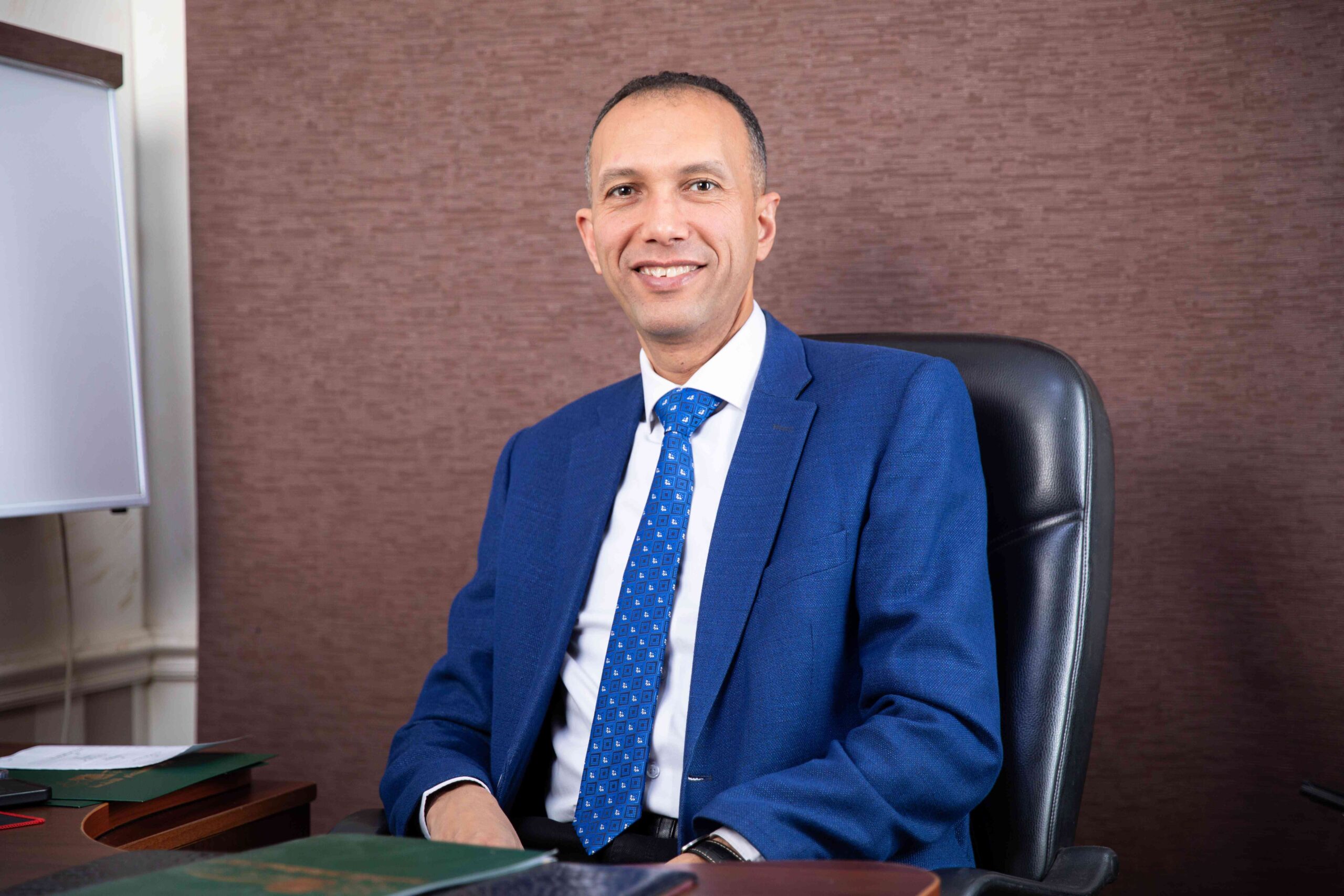
Dr. Amr Mahmoud
- Professor of Interventional Radiology at Ain Shams University
- Fellow at François Rabelais University – France
- Member of the European Society of Interventional Radiology
- Member of the European Society of Interventional Neuroradiology and Neurointervention
- Head of Interventional Radiology and Neurointervention Department at Al-Arabi Hospital
- Consultant of Interventional Radiology and Neurointervention at Gamal Abdel Nasser Hospital
- Consultant of Interventional Radiology and Neurointervention at Police Authority Hospitals and Railway Hospital
- Visiting Consultant at International Medical Center and Saudi German Hospital