
Liver Tumor Ablation
Treatment of liver tumors using radiofrequency ablation, a modern and safe technique to eliminate tumors without surgery.
Radiofrequency ablation is an advanced technique used to treat liver tumors by inserting a fine needle into the tumor and generating high heat that destroys cancer cells.
The procedure is performed under general anesthesia, where the needle is guided to the tumor using ultrasound or CT scan.
This technique is characterized by being minimally invasive, requiring a short recovery period, and can be performed on patients who are not suitable for traditional surgery.
This treatment method is chosen based on the size and location of the tumor, as well as the patient's overall condition.
Understanding Liver Tumor Ablation
This video explains the radiofrequency ablation procedure for liver tumors and the latest techniques used.
Benefits
- Non-surgical minimally invasive treatment
- High precision in targeting the tumor
- Short recovery period
- Fewer complications than traditional surgery
- Can be performed on patients not eligible for surgery
- Short hospital stay
Frequently Asked Questions
What is radiofrequency ablation?
It is a therapeutic technique that uses radio waves to generate high heat that destroys cancer cells in the liver.
How is radiofrequency ablation performed?
A fine needle is inserted into the tumor under radiological guidance, then high heat is generated to destroy cancer cells.
What types of liver tumors can be treated with ablation?
Both benign and malignant tumors can be treated, especially small tumors that do not exceed 5 cm in diameter.
How long is the recovery period?
The recovery period is usually short, and patients can return to their normal activities within a week.
Are there any risks associated with the treatment?
Yes, there are some risks such as bleeding or infection, but they are less than those associated with traditional surgery.
Can all liver tumors be treated with ablation?
No, some cases may require other treatments like surgery or chemotherapy, depending on the size and location of the tumor.
Is follow-up required after treatment?
Yes, regular imaging follow-up is necessary to ensure successful treatment and monitor for any recurrence.
How long does the procedure take?
The procedure typically takes 1-2 hours, depending on the size and location of the tumor.
Can the treatment be repeated if the tumor returns?
Yes, the treatment can be repeated if the tumor recurs, especially for patients who are not suitable for surgery.
What are the latest technologies used in radiofrequency ablation?
The latest technologies include 3D ultrasound, computed tomography, and magnetic resonance imaging for precise guidance.
Other Services
Plot 9109 - Street 9 - Mokattam
13 Mostafa Refat St. - Sheraton Housing
amrmahmoud@med.asu.edu.eg
amr.radiology@gmail.com
01111146796 - 01200402840
2025070778
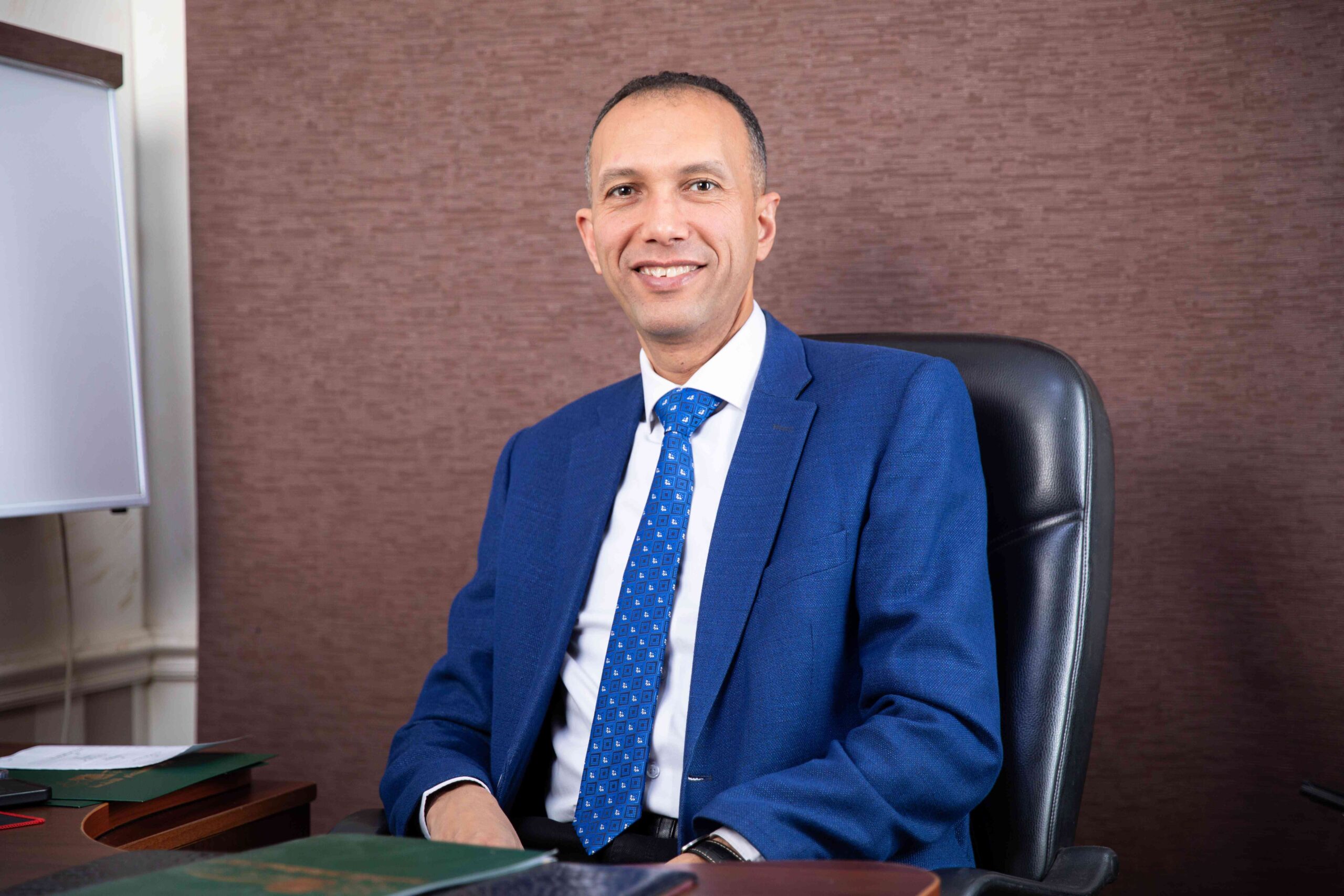
Dr. Amr Mahmoud
- Professor of Interventional Radiology at Ain Shams University
- Fellow at François Rabelais University – France
- Member of the European Society of Interventional Radiology
- Member of the European Society of Interventional Neuroradiology and Neurointervention